Showing posts with label Victorian. Show all posts

Wednesday, 14 June 2023

Women Detectives: Meet The Victorian Female Super Sleuths

Women Detectives: Meet The Victorian Female Super Sleuths


As promised/ threatened, delving back into my Drafts archive has unearthed this post, originally written in November 2020.  The subject: a then-recent feature film which would perhaps normally have appeared on this blog at the time of its release in September of that year - Enola Holmes.   Instead it almost passed me by on its way to Netflix (as so many otherwise cinema-bound movies have, my not having a subscription to these things).  Perhaps it is just as well, as having viewed the trailer I cannot help but have some misgivings about this particular foray into Victorian society and the Holmsian and despite its largely glowing reviews I find myself more in agreement with the few mixed responses I have read, for reasons that I will go on to explain.

I daresay I'm not the core target audience - the film being based on the Young Adult books by Nancy Springer and directed by Fleabag's Harry Bradbeer - and anything that encourages the younger generation to discover the joys of Conan Doyle's writing should be welcomed, but I cannot help but feel that the filmmakers are once again engaged in what amounts to an unnecessary degree of cultural revisionism.  

It is one of the more debatable characteristics of this self-styled enlightened, modern society that the prevailing - and one might almost say arrogant - belief is that we are in every way better than the generations that have gone before.  For my own part I have on multiple occasions put down on this blog my own thoughts on the subject of mixing the positive, still-valued elements of my preferred era with the undoubtedly welcome advancements of the modern day while at the same time recognising the more insupportable aspects.  Although the need to keep defending this outlook continues to bother me I do feel it bears repetition.    

Yes, a great deal of what went on centuries (or even decades) ago - in this instance the treatment of women in 19th century Britain - is in hindsight reprehensible but as the saying goes hindsight is a wonderful thing and it is unfair to judge (one might almost say to find those unable to defend themselves guilty by default) past cultures by modern standards.  I wonder how we would we feel if our social mores - attitudes which we would not give a second thought to being anything but normal - were subject to such levels of criticism by a 23rd-century observer, to whom they might be an anathema?

Being as morally superior as possible will make no difference to what has occurred lifetimes ago.  Deplore it, absolutely, learn from it, certainly, but stop applying 21st-century morals to previous eras.  The past cannot be altered, so better to dismount from that moral high horse and focus on changing the present to make the future an even better place.

Anyway, with that particular rant over I will only say one further thing on the subject of Enola Holmes going by what little I have seen and read.  While I repeat my hope that the appearance of this character on the [small] screen will inspire a new generation [of young women] and motivate them to seek out the works of Conan Doyle I cannot summon the level of enthusiasm I would have hoped a film like this might have instilled in me, mainly for the reasons I have outlined above.  The characters of Sherlock and Mycroft, whom I might be more readily expected to relate with, have inevitably been altered to become more akin to antagonists to the main character.  So much so, in fact, that in the case of Sherlock it has attracted the ire of the Conan Doyle Estate (who one might have assumed would have welcomed anything that would swell their coffers) to the point where they have instituted legal proceedings on the basis that Henry Cavill's characterisation of the Great Detective is too emotional and not in keeping with the character.  While as a traditional Sherlockian I can appreciate their point of view (although not to the point of a lawsuit) I can understand the filmmakers' desire to give the character more depth for a modern audience for whom the idea of an unemotional man simply wouldn't scan.  In any event if they do invest in the original stories off the back of this film they may be surprised to find any number of strong-willed female characters contained therein.  Just off the top of my head I can think of half a dozen such examples, including Helen Stoner in The Adventure of the Speckled Band, Violet Hunter in The Adventure of the Copper Beeches, Violet Smith in The Adventure of the Solitary Cyclist, Lady Hilda Trelawney Hope in The Adventure of the Second Stain, and of course Irene Adler in A Scandal in Bohemia.


source - Wikimedia Commons
Maud West, a female detective active in London
from 1905 to 1939, here photographed disguised as
a Salvation Army worker, circa 1920.
Hmmm, it seems I rather "went off on one" as a result of that film - I do apologise!  It obviously touched a nerve at the time!  I still stand by my comments though - they remain as true to me now as they did two years ago.  Anyway, the article that forms the primary subject of this post highlights a fascinating and oft-overlooked aspect of Victorian society - the existence of real-life female detectives (or "inquiry agents", to use the quaint terminology of the time).  Surely the brave, independent and resourceful women mentioned in this piece are deserving of having their own adventures and achievements chronicled for today's audiences, be that in documentary or fictionalised form.  Even the few stories touched upon in the article sound most intriguing and thrilling and could doubtless be adapted or retold for modern viewers with little difficulty (and in a way that would no doubt appeal to modern values).  Admittedly there have been recent adaptions of The Sally Lockhart Mysteries by Philip Pullman, starring Billie Piper, and four series of PBS-Alibi original Miss Scarlet & The Duke (sometimes available on the Drama channel for UK viewers) but even judging from what little one reads here there remains a mine of real-life incidents worth retelling.  I note that since I first started writing this post Enola Holmes 2 was released on Netflix last year so obviously the character has proved a success; as happy as I am that this is the case, I still can't help feeling that there remains a missed opportunity for the long-forgotten achievements of actual Enola Holmeses to be properly celebrated.  

Monday, 2 November 2020

Planetarium planned for underground Victorian reservoir

source - B.B.C. News

Planetarium planned for underground Victorian reservoir

Some welcome news coming out of the East Midlands in this next article, which details the fascinating-sounding plan by a Nottinghamshire-based observatory to make use of a long-dormant bit of Victorian engineering in the creation of a new visitor attraction.

This is the volunteer-run Sherwood Observatory in Sutton-on-Ashfield, owned by the Mansfield & Sutton Astronomical Society, which also has as part of the land next to the observatory the remains of an old disused 19th century reservoir.  Now the plan, judging by this recent report from the B.B.C., is for what is left of this long-forgotten facility to be turned into a new planetarium that will complement the existing building and its telescope.

The proposed design looks jolly interesting and I am pleased to note the way in which they intend to keep the existing Victorian structure while merging it with some forward-looking, 21st century space-age motifs - both of which are in keeping with and sympathetic to the building's heritage as well as its new-found purpose.  All-in-all it looks to be a successful fusion of old and new and I look forward to hopefully seeing it become reality. 

source - B.B.C. News

The provision for teaching areas has also been considered in the design of the new building - a remarkable-looking domed structure that will sit partly above ground as well as within the large cavity that once formed the reservoir - with part of the underground area to be given over to classrooms that would give visitors further insight into the work of the society, the exhibitions and information gleaned from the observatory on the cosmos in general.  

The importance of this to the furtherance of STEM learning in the U.K., especially among young people, cannot be overestimated and I am glad to see that the Heritage Lottery Fund recognises this as well and has put £36,000 towards helping realise the project.  It sounds like there is still some way to go, with more funding yet required, a firm design plan to be formulated and more talks with the HLF in the offing but hopefully with luck the Mansfield & Sutton Astronomical Society can make good on their aim to have this splendid new building up and open by their 2023 target.  That they regularly had over 3,000 visitors a year before Covid struck is a testament both to the work of the volunteers and the attraction of the stellar sciences in general and I sincerely hope that they can reach their goal, build their Victorian-based planetarium and attract many more visitors from Nottinghamshire and beyond - perhaps even including the next generation of astronomic scientists - from 2023 onwards.

Wednesday, 16 September 2020

Scotland beat England in unique Penny Farthing bicycle polo match


Scotland beat England in unique Penny Farthing bicycle polo match

Back in 2010 I posted about The Great Race, a Penny Farthing bicycle race that takes place once every ten years in the Manchester suburb of Knutsford - and which therefore as it happens was due for a re-staging this year (this very month, in fact), but which has instead had to be put back to 2021 as a result of the ongoing Covid situation.  Something to look forward to next year, then, but in the meantime an equally quaint Victorian velocipedist sport recently took place in Richmond, London - Penny Farthing polo!

source - The Penny Farthing Club

An annual event, this, played this year at the Ham Polo Club's grounds in Richmond and known as the Penny Farthing Calcutta Cup it sees the traditional rivalry of Scotland versus England taken on to the polo field with a wonderfully eccentric twist.

Following much the same rules as equine-based polo, the two four-a-side teams play five chukkas of seven minutes' duration and the result of this particular match was an 8-7 victory for the Scots.  England are still in a strong position, though, leading the series 3-2, previous matches having been played this year in front of reduced crowds (usually in the thousands but currently restricted to 100 - suitably socially-distanced, of course) at Cowdray Park in West Sussex, Herne Hill in London and at the Guards Polo Club in Windsor.

It certainly looks like a lot of fun (the footage below is one chukka from last year's event), although I fancy one would have to be a particularly skilful Penny Farthing rider and polo player as indeed both teams' captains (and their teammates) are by the sound of things.  Even so it was perhaps inevitable that there would be a few tumbles and unseatings in the course of the matches!


source - Wikimedia Commons
It's splendid to see these charming Victorian machines continuing to be used and enjoyed today, especially in unusual circumstances such as these, thanks to the sterling efforts of enthusiasts like Neil Laughton (polo) and Glynn Stockdale (Great Race).  An instantly recognisable machine, the design of which is so closely associated with the 19th century, it is brilliant that they are still being produced today in various forms from traditional replicas to more modern interpretations for use by people from all ends of the cycling spectrum - be that vintagistas keen to master a more traditional cycle in keeping with their period of interest, up to competitive sportspeople such as the road racers and polo players mentioned here.  Long may that continue, and needless to say I will be rooting for England to wrap up the series and win the Penny Farthing Calcutta Cup for 2020 (with apologies to my Scottish readers!).

Tuesday, 1 September 2020

Work begins on Victorian-era Crystal Palace Subway restoration

source - News Shopper

Work begins on Victorian-era Crystal Palace Subway restoration

The good news continues on the historic buildings preservation front now with this welcome article about the planned restoration of one of the last surviving sections of the original Crystal Palace site in Sydenham Hill, London.

(I previously covered the history of the Crystal Palace building in a blog post back in 2013, when plans for a Chinese-backed full-sized replica were mooted in the national press.  Alas the scheme seems to have come to naught - although these things do take time with our current relationship with China being what it is I can't see it happening any time soon, if at all.  However there is a consolation whereby The Royal Parks - the charity responsible for the upkeep of London's Royal Parks, which includes the original Crystal Palace site of Hyde Park - has created a fantastic virtual walk-around of the long-lost building complete with fascinating historical facts about the Exhibition.)

The New High-Level Station at the Crystal Palace.
Illustrated London News (30 September 1865)
source - Victoriaweb.org

The Crystal Palace (High Level) railway station was the second of two stations opened in Sydenham after the Crystal Palace was moved there from its original location in Hyde Park following the Great Exhibition of 1851.  The first station, named Crystal Palace, was built in 1854 by the London, Brighton & South Coast Railway and operated by the West End of London & Crystal Palace Railway (they liked their long names back then, clearly!).  This would be the sole station serving the Crystal Palace area until mid-1860s when the rival London, Chatham & Dover Railway muscled in (operating as the Crystal Palace & South London Junction Railway), extending its Beckenham line to include a station at the Crystal Palace site.  Built into the side of the hill on which the relocated Palace stood, the somewhat confusingly-named Crystal Palace (High Level) station was opened on the 1st August 1865, with the station building being designed by architect Edward Middleton Barry - best known for the Royal Opera House Covent Garden - and boasting a beautiful red brick and buff terracotta motif.

Crystal Palace High Level station in 1908
source - Wikimedia Commons

In the following decades the station, along with its older sibling (renamed Crystal Palace Low Level in 1898 to avoid(!) confusion) continued to develop - the High Level station being one of the first on the Southern Railway line to be electrified in 1925 - and to decant visitors to the Crystal Palace site until that building's tragic destruction in November 1936.  Both stations suffered following the loss of the Palace with passenger numbers unsurprisingly dropping substantially.  The Low Level station, being on a through line, survived the downturn in traffic and continues to exist today as Crystal Palace railway station.  The High Level station soldiered on, being used as an air raid shelter during World War Two and suffering bomb damage in May 1944, leading to its temporary closure.  Although it was repaired and reopened its status as a branch terminus, coupled with rising maintenance costs, meant the writing was on the wall and on the 20th September 1954 the line and station were closed.  Five years later, in 1961, the main station building was demolished.

source - geograph.co.uk / Robin Webster

By great good fortune the main entrance and subway vestibule escaped the wrecking ball and were accorded Grade II* listed status by English Heritage (now Historic England) in 1972, allowing the structure to survive to this day.  Although it remained sealed off and abandoned for much of the intervening years (save for occasional use as storage) the "Friends of Crystal Palace Subway" society was set up in 2013 with the aim of fully reopening it for public access (previously it had been reopened temporarily for local events organised by civic groups throughout the 1970s, '80s and '90s) and bringing it back into use as a subway for the first time in over 60 years.

source - disused-stations.org.uk / Nick Catford

Now that aim looks to be a step closer with the news that survey work on the site has begun, following a grant of £2.34m from the City of London's Strategic Investment Pot and a donation from the FCPS to help restore what remains of this gorgeous and historically important structure that is the sole remaining link to the incredible building which stood nearby for over 80 years.  Everyone from the council to the architects clearly see the value in returning this forgotten gem to the community and all seem keen to pull in the right direction.  It heartens me to think that in a few years' time this wonderful piece of largely unseen Victorian architecture will have been given a new lease of life as a valuable civic amenity - in whatever form it takes - for the people of Bromley and visitors alike.  A hearty "well done" to everyone involved and I look forward to reading about - and hopefully featuring on here again - the outcome in 2022.

Monday, 13 July 2020

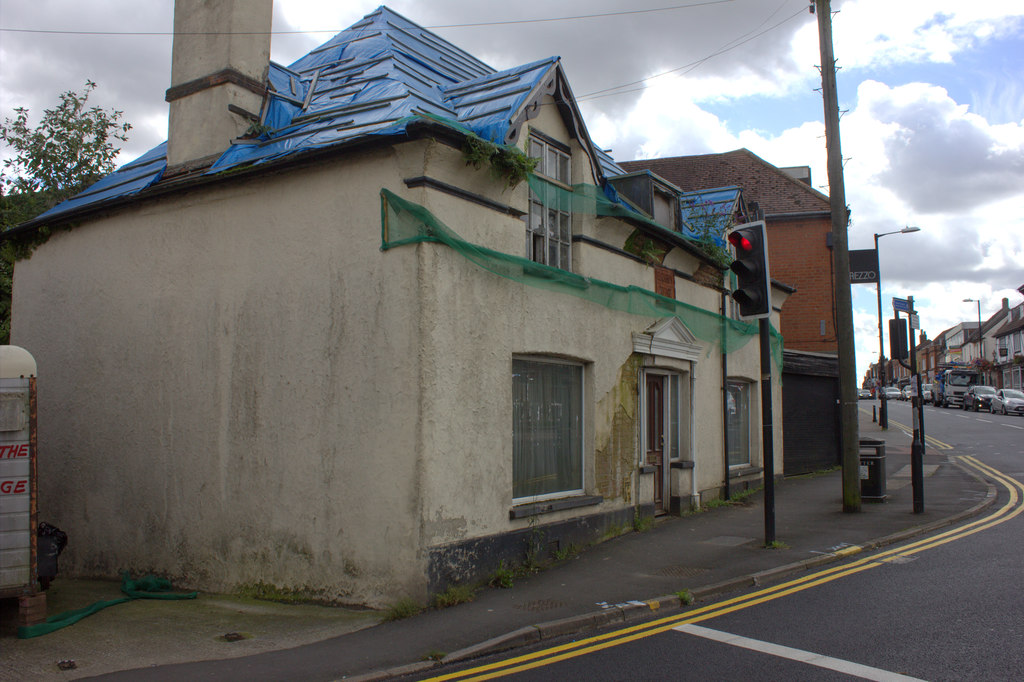
'Stunning' Doncaster Victorian landmark building saved from demolition

source - The Demolition Register

'Stunning' Doncaster Victorian landmark building saved from demolition

One of the few periodicals that I regularly subscribe to is the satirical/ current affairs news magazine Private Eye, which takes a critical look at fortnightly events in both British and international politics and society in general.  Since my college days I have long found it equal parts amusing, insightful, revelatory and provoking as well as being a good counterbalance to the reporting of the mainstream media (all of whom come in for their fair share of stick in its pages).  My grandfather was often fond of saying that anything you read in the papers is, essentially, one person's interpretation of events and that is a view that has never left me.  I always try to make a point of reading the news from various sources and am frequently struck by how the same story can be reported so differently depending on whether it is by, say, the conservative right-wing Daily Telegraph or the more left-wing, Labour-oriented Guardian.  Indeed it seems to me that in the last few decades the news has become increasingly politicised, although maybe it has always been the case and it is just something I've noticed as I've got older.

Anyway, although it doesn't always do my blood pressure much good, among many of the interesting columns to be found within the Eye is a regular half-page spread called Nooks & Corners, which focuses on all too common abuses of building and planning regulations and various travesties related to historic buildings throughout the British Isles.  It was through this, about six weeks ago, that I was first made aware of the plight of the remarkable building mentioned in the Doncaster Free Press article.

At the time its fate seemed all but sealed, with approval in principle for demolition and the ubiquitous modern development of flats due to go up in its place.  The shortsighted views of the developer and Doncaster council - that the building was not of "sufficient interest" and would therefore be left to fall into a state of even further disrepair (a rather dubious statement open to interpretation in my book) - were not shared by campaigners including the Doncaster Civic Trust and The Victorian Society, the latter of whom have been successful in applying to Historic England (formerly English Heritage) for Grade II listed status.  Although its future is still far from assured this does at least mean it is no longer at risk of being torn down, which is wonderful news and gives hope that for other buildings facing the same misfortune. Here's hoping that it will also encourage the developer to consider his options in the renovation of this striking and important local landmark.

source - The Guardian

This story has reminded me of several similar incidents from down the years - a couple quite close to home - beginning with the tragedy that was the Firestone Tyre Factory in Brentford, in the west London Borough of Hounslow.  Designed and built in 1928 by the noted architectural company Wallis Gilbert and Partners, who were responsible for many beautiful Art Deco inspired buildings including the nearby Hoover Factory (still standing albeit now as a Tesco supermarket and recognisable in a couple of early episodes of Poirot) it stood for over half a century as the Firestone Tyre Company's UK head office.  All that changed in November 1979 when Firestone announced it would be closing the factory and selling the building, which was subsequently bought by a British conglomerate, Trafalgar House Plc.  Mindful of its historical importance to an area rich in Art Deco industrial design, in August 1980 the then-planning minister Michael Heseltine moved to have the building listed but was obliged to inform Trafalgar House in advance of the impending decision.  What happened next was the worst sort of underhand cultural vandalism.  With the listing due to come into effect at the end of August, Trafalgar House simply got the bulldozers in over the Bank Holiday weekend and before anyone could do anything about it had demolished this stunning building, leaving only the entrance gates as any sign of its existence.  Outrage quite rightly followed, with the then-fledgling Thirties Society (now The Twentieth Century Society) up in arms at what had happened.  Heseltine wasn't best pleased either and in conjunction with the Civil Service introduced legislation which made sure that such a disgraceful occurrence could never happen again; the Hoover Factory was quickly listed as a result.

source - Yesterday's Racers

Fifteen years later and a similar and equally lamentable occurrence took place - albeit on a much smaller structural scale - in my old home town of Canvey Island.  Overlooking Canvey Lake for the best part of one hundred years was the quaint architectural oddity known to all and sundry as the Oysterfleet Lighthouse.  While its resemblance to such a building was obvious, it was in fact a little one-up one-down cottage built in the traditional 17th-century Dutch style common to the area (Canvey having been reclaimed from the Thames Estuary by the Dutch in the 1600s) by a Captain Gregson in the late 1880s.  He lived in the house on the left of the picture, below, and supposedly designed the Lighthouse for his mother-in-law to live in!

The Oysterfleet Lighthouse
source - The Original Canvey History Website

This charming local landmark stood unmolested for the best part of a century and was just on the verge of having a preservation order applied to it when - well, you can guess what happened next.  The land it was on had been purchased by a developer with his own ideas for the site and in the night leading up to the day the listing was due to come into force the bulldozers moved in and by the morning all that was left was a pile of rubble.  The shock and sadness felt by everyone in the community is still fresh in my mind over two decades on.  A large pub-hotel complex now stands on the site, with its "Lighthouse" restaurant the only nod to the little piece of local history that was sacrificed for its existence.

Elizabeth Cottage, Billericay, prior to its restoration
source - geograph (Robert Eva)

To end on a happier note a similar incident to that in Doncaster took place in Billericay, a town near me, involving a charming early 20th-century cottage that stands in a conservation area along the main high street.  Elizabeth Cottage has a fascinating history, but the story of its last 20 years has been rather tortured.  More or less left to decay over that time by its elusive foreign owners, it made local news (and appeared in the Eye) in 2017 when it emerged that mysterious builders had begun demolishing the roof - this three years after the owners' original planning permission for shops and flats had expired.  The local heritage society swung into action and to their credit Basildon Council acted swiftly to serve an injunction on the absent owners but were eventually forced to take over ownership and protect the structure from any further damage.  Subsequently the property was sold at auction to a local developer who I am pleased to say is obviously more sympathetic to the cottage and its importance to the local conservation area, having renovated it into several apartments while keeping the traditional frontage.

While there will always be wily owners and investors keen only to make quick money without giving thought to the historical or architectural importance of a building, it is thanks to groups like The Victorian Society and The Twentieth Century Society - as well as local community history groups - keeping the pressure up on councils and planning inspectorates that we are seeing more and more historically beautiful designs preserved and restored, to be given new life for future generations.  Although there is still some way to go in protecting significant traditional buildings from the ravages of decay or the attentions of unscrupulous developers, I do believe that we are as a society becoming more appreciative and protective of our communities' early buildings and I very much hope this means we will see more good news stories like this one from Doncaster in the future.

Saturday, 4 July 2020

Sanitiser maker's links back to Victorian cough cure

source - BBC News

Sanitiser maker's links back to Victorian cough cure

Perhaps unsurprisingly there has been very little in the way of interesting vintage-inspired news to come directly out of the coronavirus crisis so this article about an historic company making hand sanitiser for the NHS is a rare and welcome example.  There are many facets of this story that make it worthy of inclusion here, not least the historical interest surrounding the Victorian "cough cure" that started the company in question on the road to where it finds itself today, taking inspiration from its founder and helping to provide much-needed equipment for those dealing with Covid-19 in hospitals up and down the country.

source - Flickr

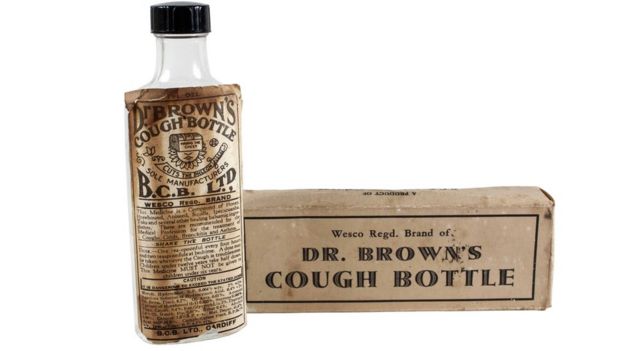
As with so many all-purpose medicines that began to appear in the 19th century, Brown's Cough Bottle included among its ingredients several classic Victorian standbys such as laudanum (opium + alcohol), cannabis and chloroform.  The result, as was to expected, was a rather addictive drug as the accompanying article explains.  The classic style of advertisement from the time (above) using its alternative and more accurate name of Chlorodyne, shows just what wide-ranging a treatment it was marketed as - able to treat anything from a simple cough right up to gout and rheumatism (probably would have shined the furniture up a treat, too).
source

Nevertheless it was obviously doing something right (beyond getting the user hooked on opioids!) as despite changes to the content causing an initial downturn in its popularity the medicine still lives on today - albeit under the control of a different company - as J. Collis Browne's Mixture for coughs and stomach complaints (and with a slightly less addictive 1mg of morphine).

BCB International, which can still trace its origins back to Collis Browne and his cough medicine (BCB originally standing for Brown's Cough Bottle), now owes more to his other major interest - yachting and open air pastimes - by manufacturing adventure equipment and emergency supplies, with the cough mixture now produced by a separate but still family-owned branch of the business.

source - BBC News

Now BCB has stepped up to the crease during the pandemic and used its facilities and experience in producing emergency equipment to swiftly start production of hand sanitiser and PPE for use in hospitals and by key workers.  In a fine tribute to the man who started it all for them 172 years ago - and who I'm sure would be proud and astounded were he around today - they have branded the hand gel Dr Browne's Hand Sanitiser.  All in all then a splendid piece of good news for these trying times, with a vintage twist; I take my hat off to BCB International for taking inspiration from their past in helping to produce equipment that will help ensure many people's future.


To finish on a somewhat humorous note the name J. Collis Browne was not unknown to me before this news item appeared on my radar, although from a rather different source quite unrelated to its actual origin.  Without doubt one of the more bizarre CDs in my music collection, Collis Browne's Jamboree contains an eccentric selection of songs and performances by the creator of The Chap magazine Mr Gustav Temple and some of his chums.  Produced back in 2003, when The Chap movement was but a mere 4 years old, it was originally only available to order through the magazine but I was able to pick up a used copy online a few years ago.  It truly is an eclectic mix of ukelele covers (Champagne Charlie and The Kinks' Dedicated Follower of Fashion among others) and weird recitals such as Collis Browne's Recipe, above.  Quite where Mr Temple and his cohorts got their inspiration for this frankly weird record from I don't know but clearly they must have come across the name J. Collis Browne somewhere along the way (I sometimes wonder if they found a stash of Dr Browne's original mixture, necked the lot and came up with the CD in an opium-fuelled stupor one afternoon...).  The result is this strangely appealing disc, which is a valued part of my chappist musical collection and my first introduction to the name of Collis Browne.

Saturday, 27 June 2020

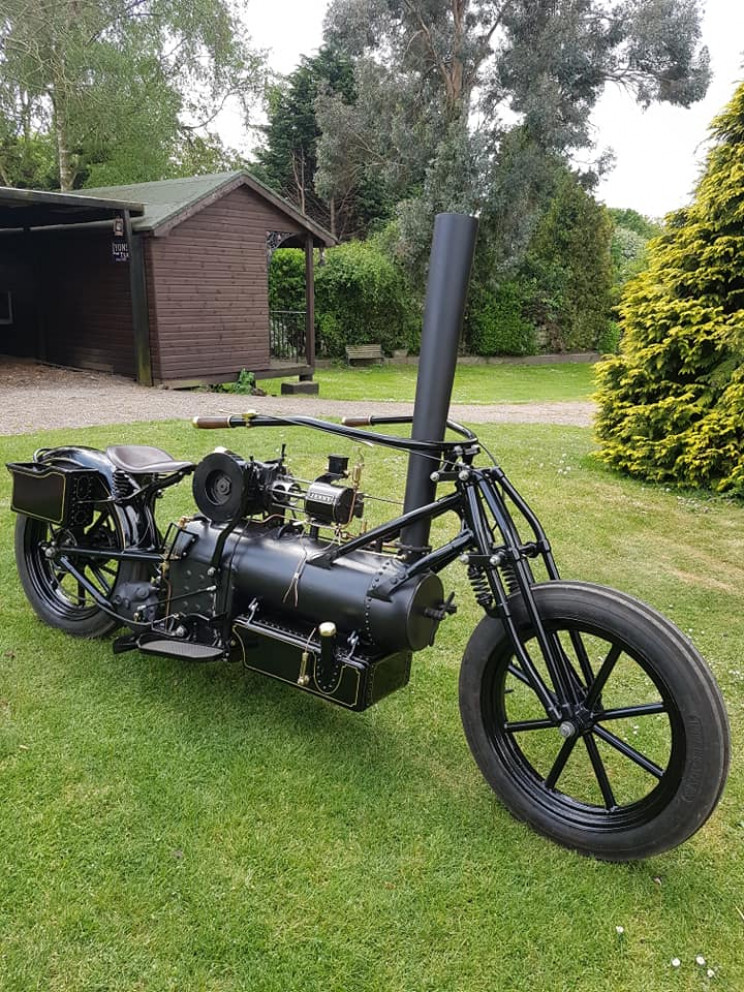
Coal-fired steam motorbike built by technician is a Steampunk dream

source - Interesting Engineering

This Coal-Fired Steam Motorbike Built by Technician Is a Steampunk Dream

There hasn't been much in the way of Steampunk-themed articles featured on this blog of late (mind you I've only been back for three months) but this one about a beautiful home-built, steam-powered motorcycle more than makes up for it.

The creation of a steam engine enthusiast from Carlton in North Yorkshire, this fantastic machine is all the more remarkable for having been built from scratch over the course of four years - including the engine which was pieced together from various sources!  It's a testament to the skill and the vision of Mr Sanderson that the end result is such a professional example of Victorian engineering in a wonderful Steampunk design and he should be justly proud of his achievement.


It does look quite a brute of a machine, though, doesn't it - and I can't get over (and no doubt wouldn't be able to see over) the size of that chimney!  I imagine that it must interfere with forward visibility just a tad...  What it must be like to sit astride a high-pressurised boiler full of steam and hot water I wouldn't like to guess, either; I only know I would be a little nervous - although not above giving it a go I suppose.

source - Interesting Engineering

Still I can only express again my admiration for the thought and workmanship that has obviously gone into this incredible machine over such a long period of time.  The world is a fuller place for its existence and that of skilled enthusiasts like Mr Sanderson and it can rightly take its place alongside any of the one-off and custom-made Steampunk motorbikes that are out there and mentioned in the accompanying article.

Finally, to prove it's a real runner and not just a stationary engine (ha-ha, did you see what I did there...?), here to finish with is footage of the happy owner taking his fantastic steam-powered motorcycle for its first test drive:


Toot-toot!  Full steam ahead, sir!

Sunday, 14 June 2020

Bertie in the Middle East: online showing for first royal tour photographs

source

Bertie in the Middle East: online showing for first royal tour photographs

Museums, art galleries, heritage sites and the like are regrettably having a tough time of things at the moment, with lock-down having seriously impacted many excellent institutions.  Despite this risk to their very existence the vast majority seem to have stepped up to the crease with remarkable initiative, with some superb online curatorial videos and similar displays available on YouTube and the like.  The exhibition mentioned in this article, although photographic rather than audiovisual in nature, is no less fascinating featuring as it does the first photographic record of a royal tour of the Middle East.

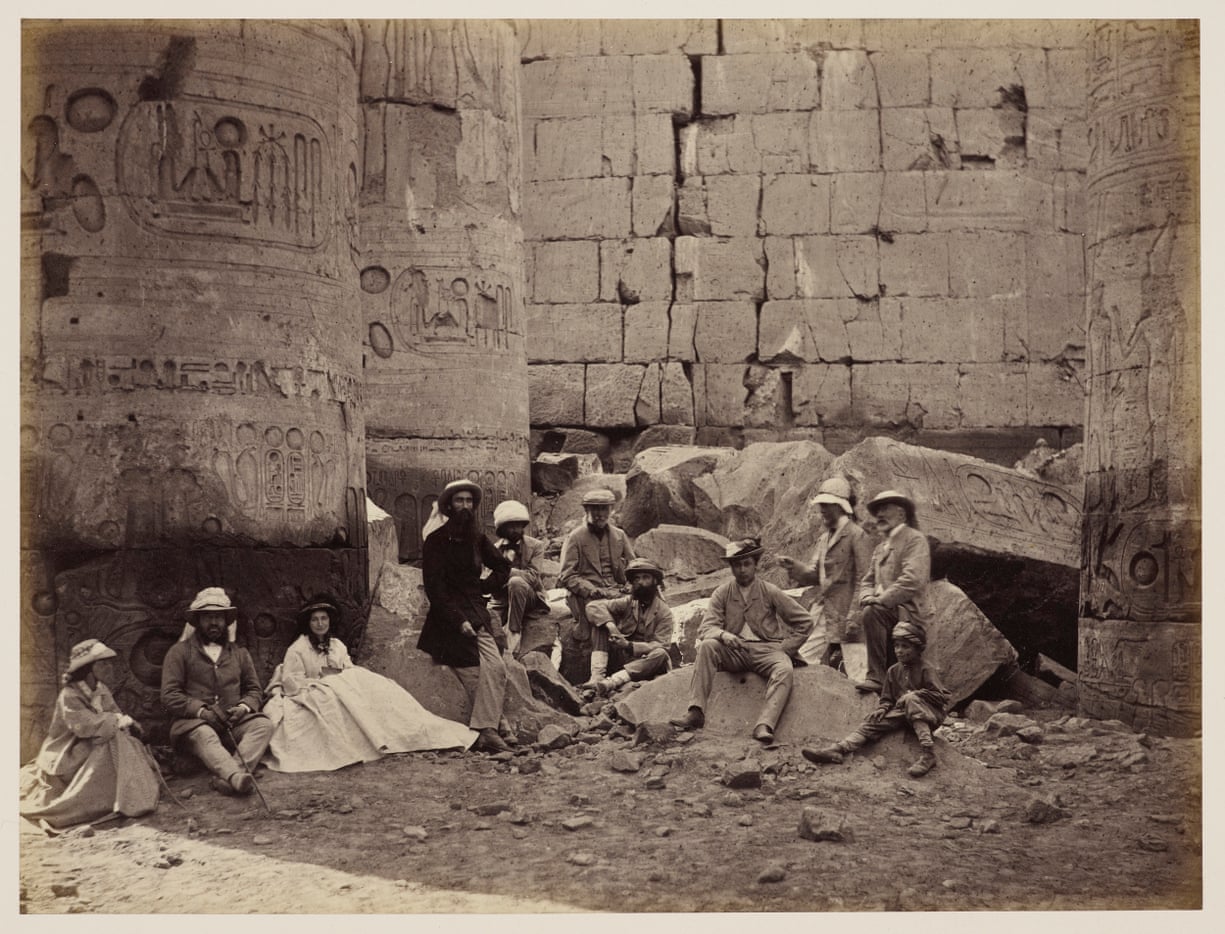
This was Edward, the Prince of Wales' (later to become King Edward VII) 1862 trip to Greece, the then Ottoman Empire, the Holy Land and finally to Egypt - partly designed to bolster Britain's relations with those countries and but also it seems to deflect attention from one of Bertie's many flings with a female member of the British theatre scene(!).  In a very modern and what would nowadays be called a "damage-limitation exercise", the experienced and highly-respected photographer Francis Bedford was sent along as one of the party to document the tour in the new medium of photography.

source

Now thanks to the Barber Institute of Fine Arts the photos from that tour are available to view online as part of its Sights of Wonder exhibition.  Originally intended to be a physical display at the Institute's Birmingham location it has been swiftly and expertly switched to a web-based digital exhibit and jolly well done it is too.  Not only does it showcase Bedford's remarkable pictures of historic sites that had previously only been seen (if at all) as paintings or drawings, but it also includes excerpts from Edward's personal diary and contemporary news reports - all of which add to the overall fascination immeasurably.

Everyone involved is worthy of congratulation on creating such an interesting and absorbing exhibit during these difficult times and I'm particularly pleased to note the involvement of some University of Birmingham history students - I hope this will benefit and inspire them to future endeavours in preserving these important aspects of our history.  In the meantime although it is heartening to see how well some museums are adapting to the ongoing situation there are of course many that are still closed and facing an uncertain future.  I'm sure you don't need me to tell you how important it is that we support those institutions that are struggling through these hard times, if only by visiting them again when circumstances are such that they are able to reopen.

Friday, 29 November 2013

Timewarp fashion treasure trove discovered in Houghton-le-Spring house

Timewarp fashion treasure trove discovered in Houghton-le-Spring house

Ladies!  Get thee to Tyne & Wear next Saturday!!

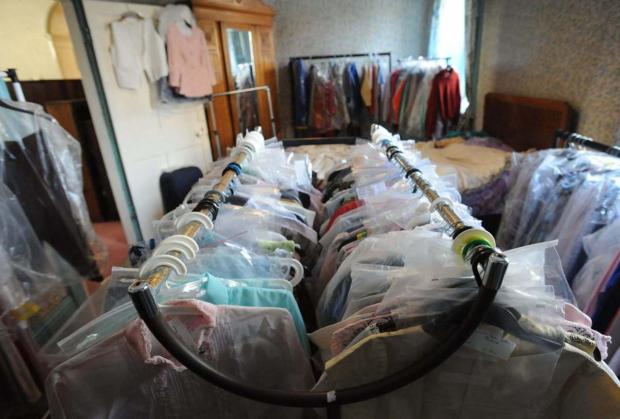
You know how I sometimes half-jestingly, half-wistfully wish - along with most of you I imagine - that there was a warehouse or boarded-up mansion somewhere complete with sealed rooms full of vintage clothing from our preferred time period?  Well, here is an example of it come true!

A bittersweet example in many ways, as the story behind this "treasure trove" is a particularly poignant one.  Although the "widowed-at-a-young-age-never-remarried-lived-alone-hoarded-things-died-in-their-nineties-nobody-knew" story is not necessarily an uncommon one (but maybe its unusual nature attracts comment and makes it appear more commonplace, if you take my meaning?) there is always something particularly touching about it and this one is no exception.   Perhaps it is the thought of the lady's routine of travelling and returning home with new suitcases to be filled with the best dresses - stashed away and destined never to be worn - over a period spanning 70 years.  Yet if she was happy (although I do wonder about that - was this the sign of a life that felt unfulfilled from the early death of a husband?), taking annual holidays and living to a grand old age, then fair do's to her say I.

source

Now her collection can be someone else's gain (yours, perhaps?) as this immeasurable amount of vintage clothing - valued collectively at £100,000 - is set to be sold off next month by the lady's friends with the help of a local vintage shop owner.  If you want to make a note of the date, girls, it's the 7th December and the sale will be held, suitably - and no doubt interestingly - enough at the lady's house in Houghton-le-Spring (no address given, but doubtless contacting the shop - the oddly-named "Dregs of Society"(!) - would provide it).  Some of the really valuable pieces like the Victorian and Edwardian wedding gowns of the lady's mother and grandmother are earmarked for the local Beamish Museum, however, which seems only fair.

A remarkable discovery, then, of a life's legacy - a fantastic fashion timeline.  I'm sure you'll join me in echoing the thoughts of the best friend and her hope that all these items will find new owners to use and appreciate them - a positive aspect of wearing vintage that many of us have commented on in the past.  It all makes you wonder what else might be out there...

Saturday, 16 March 2013

Abandoned Victorian toilets turned into London café


Source: Uploaded by user via Peter on Pinterest

Abandoned Victorian Toilets Turned Into London Café

Top marks to the chaps in this latest article, who are behind the conversion of these disused Victorian toilets in London's West End.   Now instead of remaining an unused and unseen relic of the past, this classic example of a 19th century public convenience has found a new lease of life as a coffee shop and sandwich bar!

In well-executed style the derelict underground gents looks to have been successfully transformed (and thoroughly cleaned up!) into an eatery with a twist.  It is splendid to see, too, that the new owners fully appreciated the existing high-quality fittings & decor that were still in place (I've written before about the Victorians' propensity for embellishing even the most humdrum of structures, and here's another prime example) and have ingeniously incorporated it into the café's layout.  (I'll leave you to make up your own jokes about drinking at a urinal!).


Pictures of the renovation are most interesting and the new owners are to be congratulated on what looks like a job well done.  I'm sure The Attendant, as the place is now known, will prove to be once again to be a valuable asset to the Fitzrovia area - albeit in a completely different form.  I wish them every success and will be sure to stop in should I find myself in the W1 postal district.

Sunday, 23 October 2011

How Victorian engineers almost built an underwater tunnel between Scotland and Ireland

How Victorian engineers almost built an underwater tunnel between Scotland and Ireland

This story has been reported by various news sites, including the B.B.C., but by far the best and most comprehensive description is from science [fiction] blog io9.

As anyone who has crossed the Irish Sea will tell you, a train journey (or, these days, an aeroplane flight) is infinitely more preferable to a ferry crossing and this was obviously very much the case even a hundred years ago.  It should come as no surprise therefore that the industrially-minded Victorians seriously considered a series of railway tunnels beneath the Irish Sea; the idea of a Channel Tunnel had been mooted almost a century earlier so the intent was clearly there.  Regrettably in both cases the huge engineering challenge would prove too great for Victorian science to overcome.  Nevertheless that such a plan was drawn up is a remarkable testament to the technological ambition and farsightedness of 19th Century engineers.

The suggestion of tunnels between mainland Britain, Ireland and the Isle of Man still occasionally appears even today.  But it was the Victorians who first thought of the idea even though they, and subsequent supporters of the scheme, were always stymied by the matter of cost, politics and now a difference in the railway gauge.  It's not to say that the project is unfeasible, however, and I'm sure the vision will still be revisited in the future and - who knows? - maybe even undertaken.

Monday, 17 October 2011

Victorian kitchen found untouched at Cefn Park, Wrexham

Victorian kitchen found untouched at Cefn Park, Wrexham

This has been sitting in my draft folder for weeks (and yet I haven't seen it anywhere else, but all the better for me!) so it's rather old news - although you could say that everything I blog about is "old" news(!).

Still, it's nothing compared with how long this 19th Century kitchen has lain unused in the old Wrexham house featured in this news story.  The thrill of finding all those culinary items that hadn't seen the light of day for at least 70 years must have been immense, not to mention the general surprise that the owners would have felt having grown up there without ever realising this amazing room even existed.

It's a fantastic window into the world "below stairs" one hundred years ago and it almost seems a shame that the renovation is going ahead, rather than the room being left as a kind of time capsule, although I'm sure that the work will be sympathetic to the original kitchen.  I'm not sure I'd fancy cooking 19th Century-style anyway, if I'm honest!

Nevertheless, it's another wonderful story about an interesting historical discovery which proves, if nothing else, that there are these untouched gems still out there to be uncovered.

Wednesday, 23 March 2011

Victorian railway hotel restored in King's Cross

Victorian railway hotel restored in King's Cross

Just as I bemoan the lack of vintage-y things to blog about, along comes a glut of stories and suddenly I have some more ideas for posts.

To start with is this splendid news about the reopening of the former Midland Grand Hotel that forms part of the new St Pancras International railway station, which itself underwent a massive restoration a few years ago and is a wonderful British success story, managing to retain its Victorian grandeur and history while at the same time serving the modern traveller and adding the futuristic HS1 Eurostar trains to its stable.

The Midland Grand, now renamed the St Pancras Renaissance Hotel, has only just finished being renovated and - as this report indicates - is ready for opening (which will officially take place in April).  A great deal of time and money has gone into returning the place to its former glory and its certainly been worth it!  The interior is simply stunning and, like the rest of the redevelopment, successfully mixes old and new styles to provide the last word in comfort for the weary (and well-heeled) traveller.

It's a shock to realise just how far Dr Beeching was prepared to take his cuts and what a deplorable attitude there was towards Victorian architecture in the 1960s, amid the vogue for Brutalism and Modernism.  To even have considered demolishing such a beautiful building seems like anathema to us today as we have, I think, come to appreciate our architectural history.  Many 19th Century buildings were lost during the height of Sixties Mondernism, but thankfully the Midland Grand was spared destruction and will now enjoy a new lease of life as it sits adjacent to St Pancras International, for us all to enjoy looking at.

Thursday, 25 November 2010

Lady Mairi Bury's stamp collection to fetch £2.6m at auction / Half a stamp sells for £221,000

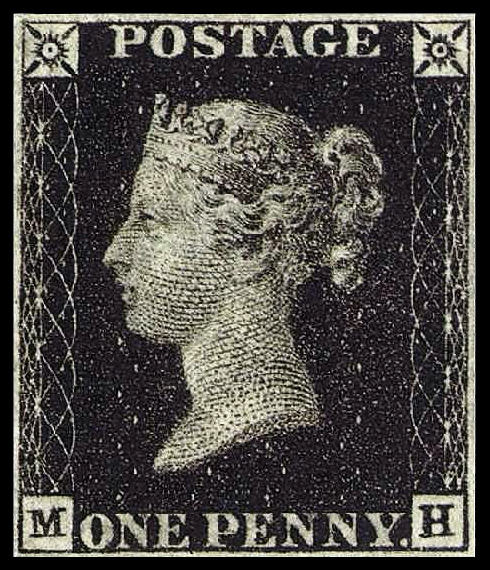
Two postage stamp stories in one day is a pleasant surprise for us philatelists but to avoid overwhelming you, dear readers, with two consecutive posts on the same subject I shall condense them down into one.

Lady Mairi Bury's stamp collection to fetch £2.6m at auction

This main story is fascinating, and not just from a collectors point of view. Granted, her collection sounds fantastic and is certainly one of the best I have come across in my time; the cultural value of the letters, as well as the stamps themselves, must be immense. However it also seems that, by all accounts, Lady Mairi was an incredible character and I'm surprised not to have heard of her before this either in philatelic circles or elsewhere. She certainly lead an eventful life and sounds like the most positive definition of an eccentric.

It seems almost a pity to see such a remarkable collection - literally of a lifetime - broken up but the sheer variety, condition and rarity of so many of the items means this was always likely to happen. At least they will go towards enhancing the collections of others and be assured of a safe future

Half a stamp sells for £221,000

Not the Royal Mail's new postage pricing strategy, but a bizarre stamp (or should that be sta...?) from 19th Century Germany, which got round a supply problem by being cut in half before being issued(!). Such an oddity was bound to be of some value in itself, but a short production period (and likely little used because of the actual shortage of stamps) has led to a great amount of money changing hands for this example. This is yet another intriguing historical facet of postage stamps that keeps me interested in the pasttime and once again we see rarity value and a bidding war between collectors push the price up. I would not be in the least bit surprised if the new owner hails from the same area where this stamp was first issued. I hope he enjoys it!

Saturday, 28 August 2010

The Victorian soldier who served in World War Two

The Victorian soldier who served in World War Two

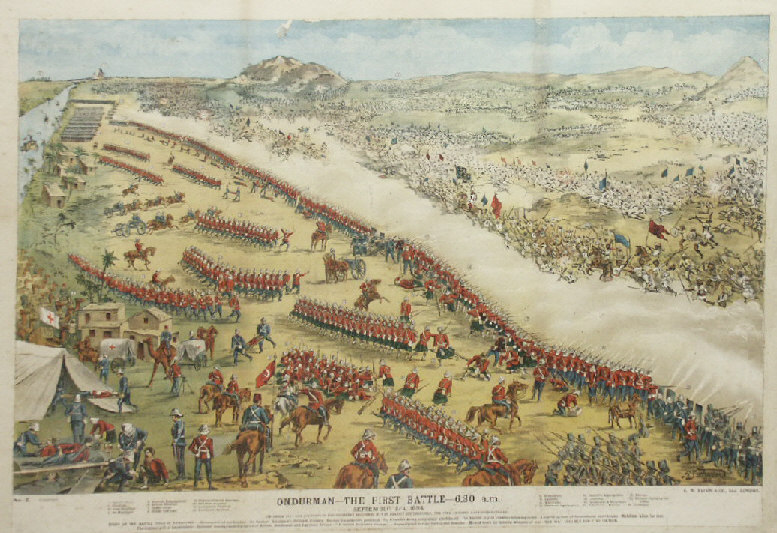
If ever there was someone who lived up to the adage "old soldiers never die" then this fellow must surely be he. What a fantastic record, and what a life he must have led! I admire his obvious passion for what he seemed to feel was his calling (I particularly like the fact that he "missed" army life after the First World War (!) so much so that he volunteered for service in Ireland) and marvel even more so at his good fortune to survive so many wars! The fact that he had such an incident-packed life and was highly decorated merely adds to the story and holds him in even higher esteem.
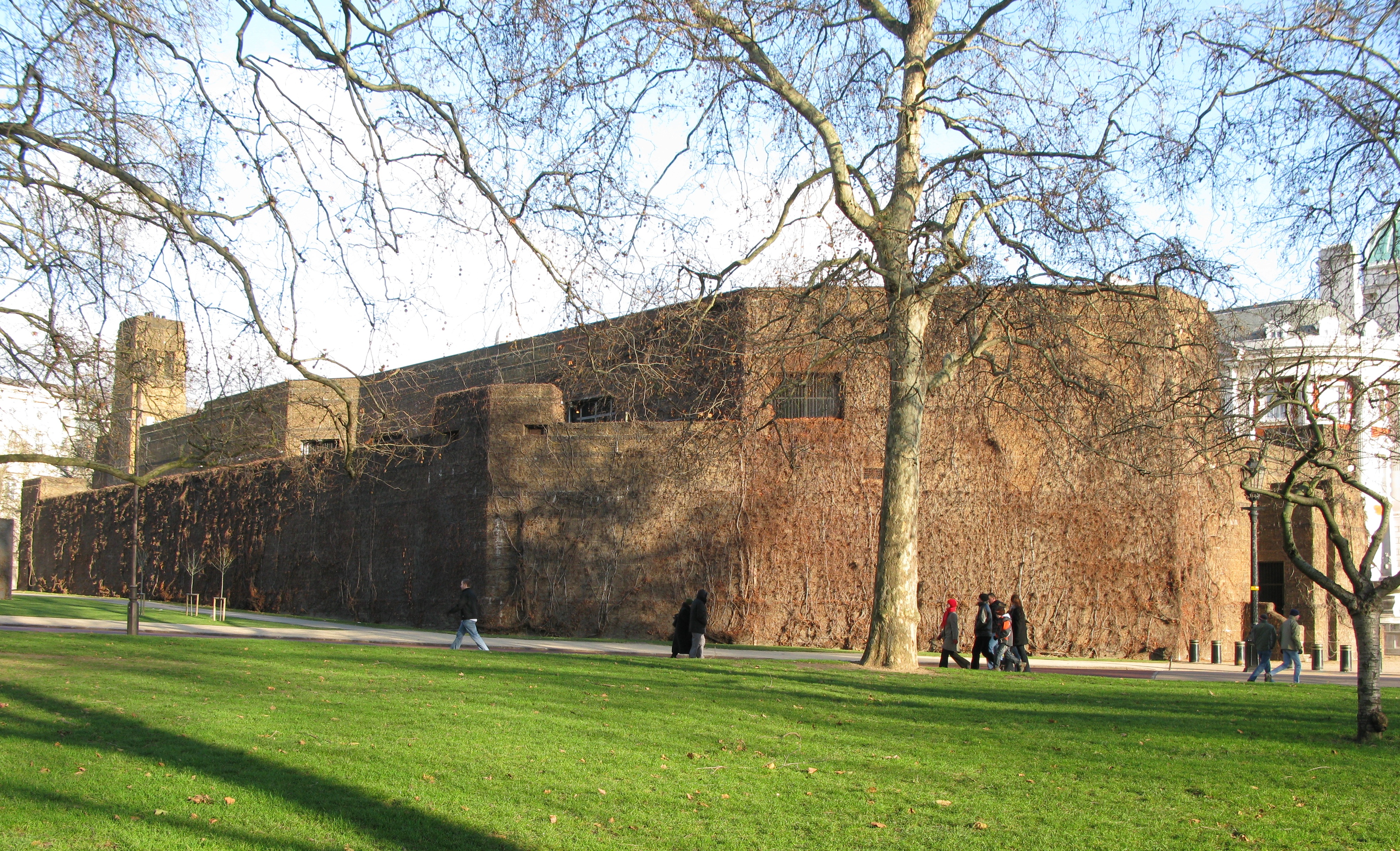
What it must have been like for him to see the amazing advances made over the course of his life (from the 1898 Anglo-Sudan War, above, to working at the Admiralty, left, in World War Two) I can't imagine but obviously the desire to serve his country never left him and I'm so glad that a house clearance (the kind of thing I feel sure has and will continue to lead to such incredible, hitherto unknown, discoveries) has unearthed this remarkable story of an honourable and marvellous man and his life in the Forces.

Thursday, 4 February 2010

Photo exhibition shows life in China in 1870s

Photo exhibition shows life in China in 1870s

News here of a fascinating-sounding exhibition that is being run up in Liverpool. Fascinating because it chronicles a landscape and way of life that has long since vanished and preserves it for our (and future generations') enjoyment and edification. It is also interesting to read of the way in which the photographer went about capturing his images. All too often when we see or hear of stories involving Victorians visiting foreign countries we automatically envisage some form of evil imperialism; the subjugation of the native population, the stripping of natural resources and so on. But here is a pleasant reminder that it was not always like this and that the photographer treated his subjects and their country with respect and admiration, which makes the pictures all the more enjoyable in my opinion.

Followers

Popular Posts