Monday, 2 July 2012

Goodwood Festival of Speed: Vintage Bentley sells for £5 million


Goodwood Festival of Speed: Vintage Bentley sells for £5 million

At the beginning of March I blogged about an upcoming automobile auction at the Goodwood Festival of Speed in which an historic 1929 Bentley 4½-litre "Blower" built and raced by my personal hero Sir Henry 'Tim' Birkin was expected to become the most expensive Bentley ever sold.  Well I can report that not only did it succeed, at £5,000,000, in smashing the previous record of £2,800,000 paid for the 1929 Speed Six Bentley "Old Number 2", but it also becomes the most expensive British car sold at auction.  I hope whoever bought it values it for more than just the money he paid for it and that it can be kept in Britain and shown for generations to come.

All images courtesy of Supercars.net

Bonhams have produced a wonderful video of the Bentley, found at the top of this post, that perfectly captures the majesty of this magnificent race car and the heroism of the man who created and drove it to record speeds.  It is all the more welcome since so little footage exists of 'Tim' Birkin himself.  His autobiography Full Throttle is, as I have said before and will say again, well worth hunting down.


The sale of this significant racer at the world-renowned Goodwood Festival of Speed marks a high point in the British motor racing schedule - with the Grand Prix at Silverstone pending and of course the Revival back at Goodwood in September.  The latter I hope one day to be able to attend - the ultimate Mecca for a vintage motoring enthusiast!


I'm given to wonder what 'Tim' Birkin would have made of today's motor racing scene.  He was vociferously scathing about Brooklands, a fact which he devotes a large portion of his autobiography to, but only due to unswerving patriotism.  (The chapters he devotes to England's racing woes of the time is a masterclass in apologetic criticism).  We look at [what's left of] Brooklands today relishing and marvelling at what went on there 80+ years ago but as Birkin makes clear by the early 1930s it was no longer suitable for the cars that were raced on it.  Birkin deplored the lack of a more modern track (so I think he would be pleased with the proliferation of race circuits today - a legacy of the Second World War, many of them evolving from disused airfields) and, as the Thirties progressed, a British car with which to race - Bentley having withdrawn from all forms of motorsport upon their acquisition by Rolls-Royce in 1931.  His own career reached a nadir in 1931 when he was forced to drive an Alfa Romeo in order to win at Le Mans, an achievement made all the more bitter when he received a congratulatory telegram from Mussolini claiming it "a win for Italy".


I think 'Tim' would have been happy, if a little bemused, to see his beloved "Brooklands Battleship" still running and still creating such a thrill today, at such an incredible price.  It is truly a piece of British history and if it helps to keep the marque Bentley, and 'Tim' Birkin's fantastic achievements, in the public's consciousness (or at least this member of the public's consciousness!) then it is worth every penny.

Friday, 29 June 2012

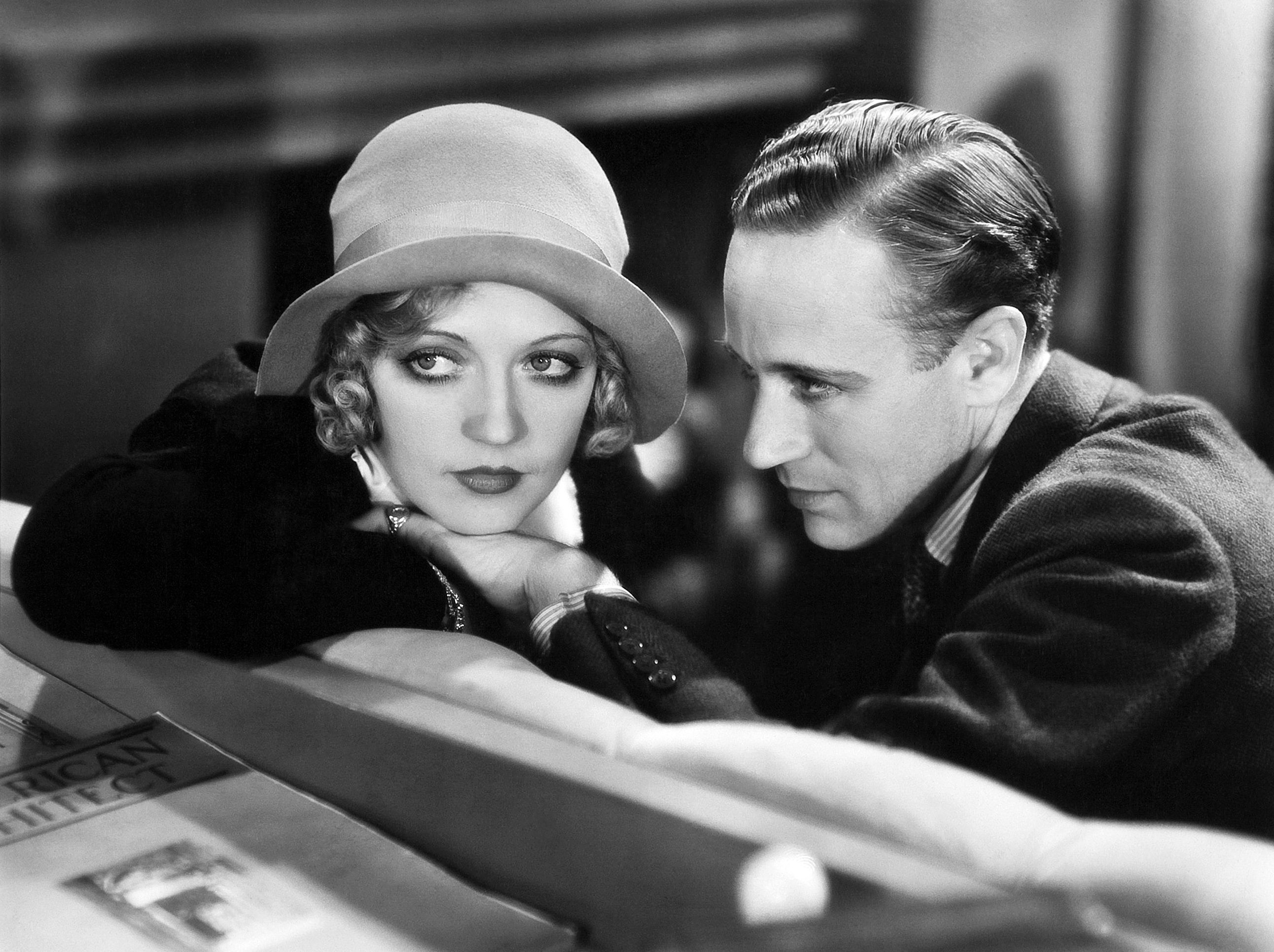
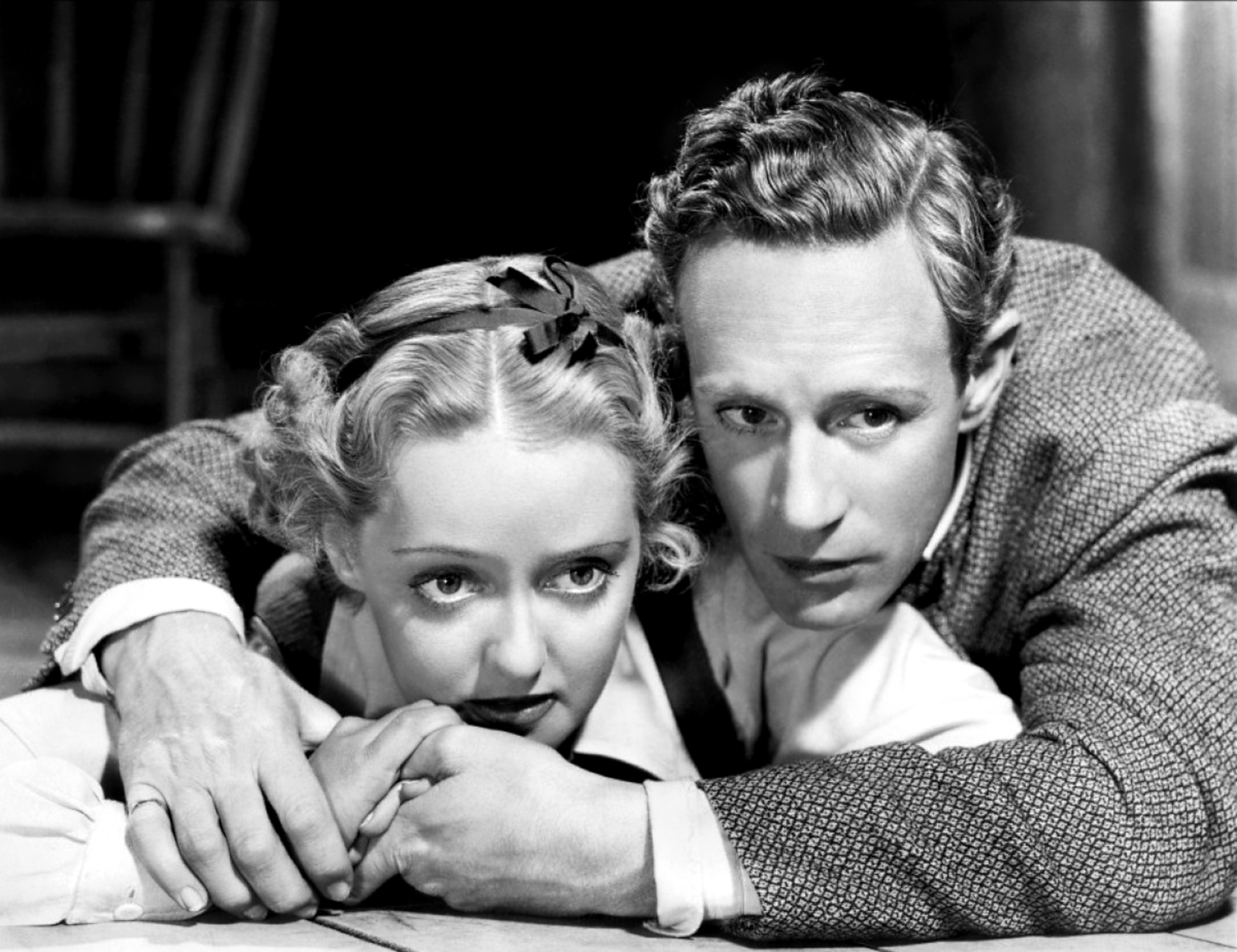
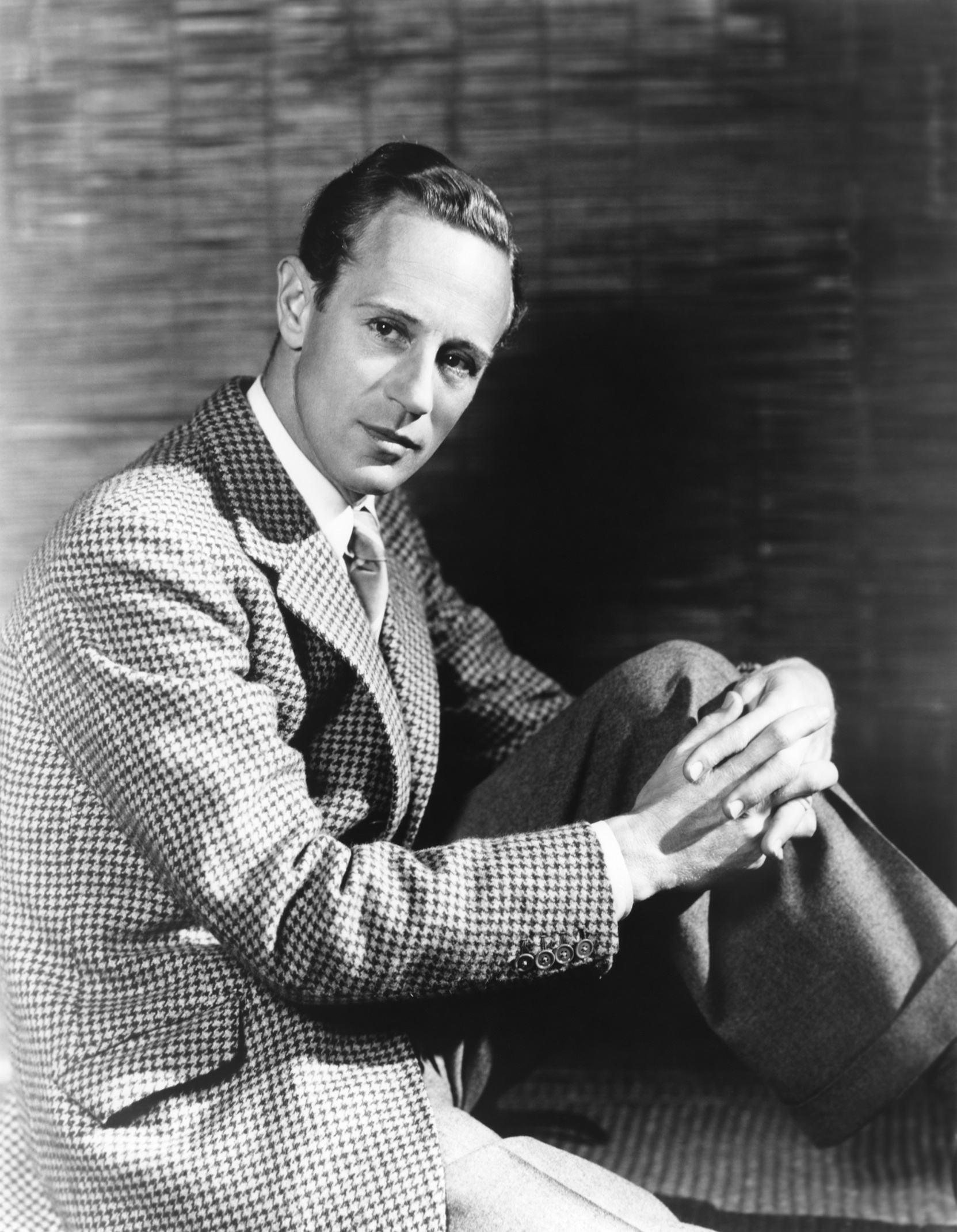
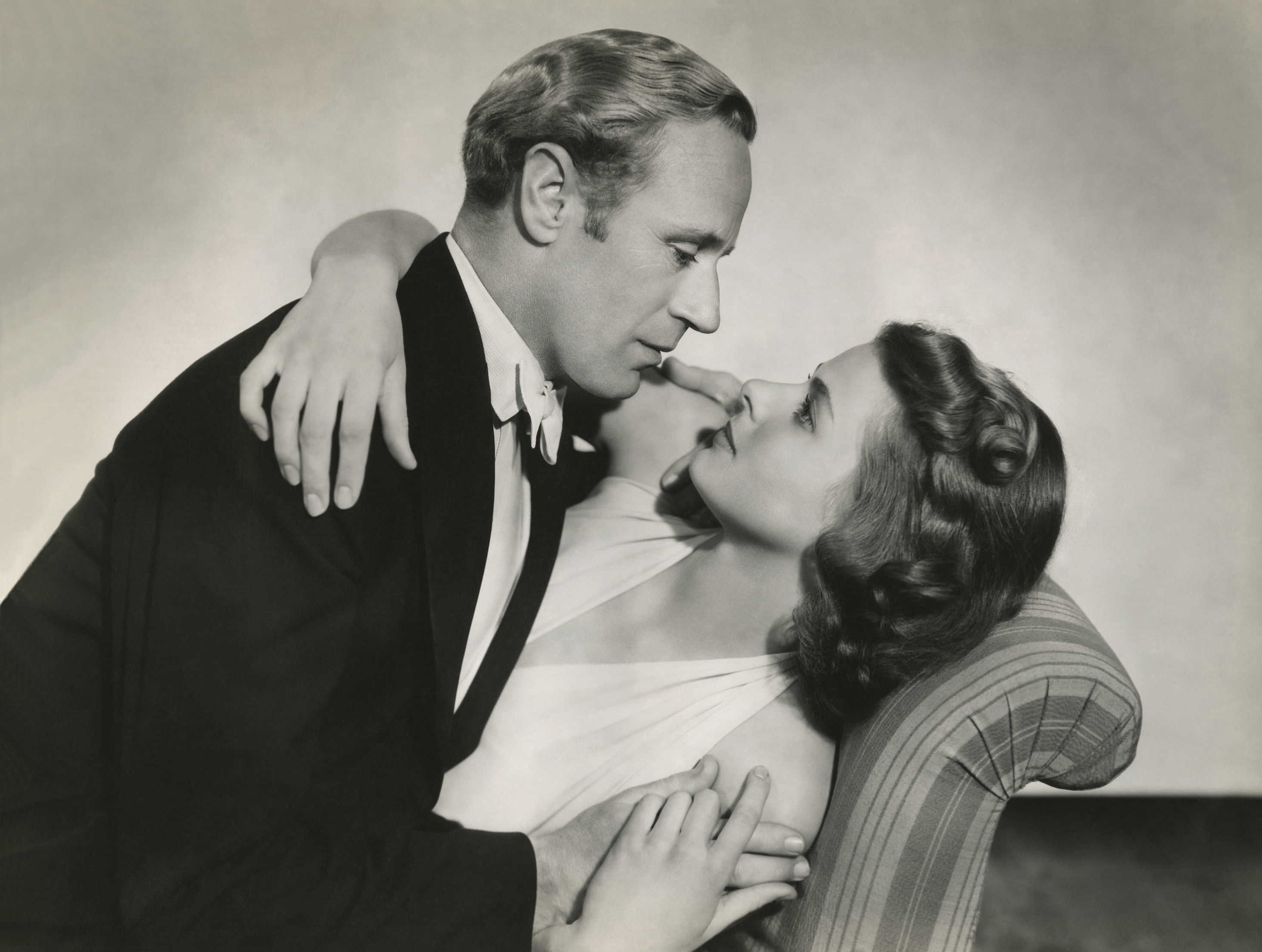
Leslie Howard, Style Icon

Back to reality for the next in my series of stage and screen Style Icons, this time focussing on the great Leslie Howard.

All images courtesy of Doctor Macro.

A consumate theatrical and film actor, producer and director Howard was at home in his typical character of the intellectual, stiff upper-lipped Englishman with more than a hint of absent-mindedness - the latter often little more than an affectation used to deceive (although his friend - and previous Style Icon - David Niven once said of the off-screen Howard, "He was not what he seemed.  He had the kind of distraught air that would make people want to mother him.  Actually, he was about as naïve as General Motors. Busy little brain, always going."  Perhaps that was why he was so good at rôles that required such a performance). 


This is one of the reason why I like Leslie Howard so much - he is not the man of action in the same way as Cary Grant (or even Niven) or many of his other contemporaries; he is a thinker and is great for using brain rather than brawn in many of his parts.  He is proof that the sensitive, scholarly type can be just as effective and as attractive as a tough guy.  Attractive to the ladies both on and off screen - the latter a trifle too much, by all accounts (including Howard himself who once claimed "I didn't chase women but… I couldn't always be bothered to run away").


Like so many of his generation Leslie Howard served in the Army during the First World War but was invalided out in 1916 after suffering from shell shock.  Acting was suggested as a way of recovery.  Despite his success in Hollywood (and on Broadway) and an affinity with the United States Howard remained ever patriotic, always speaking highly of his home country.  When the Second World War began he returned to Britain and became heavily involved in the war effort (an action that would eventually lead to his demise), creating two of his most famous films "Pimpernel" Smith and The First of the Few as well as giving lectures, writing articles and delivering radio broadcasts.  While several of his expatriate co-stars also returned to do their bit, Leslie Howard's brand of loyalty to me always seemed something different, something more - a kind of thoughtful patriotism perhaps best illustrated in this quote:

Britain's destiny ... has been to uphold tolerance in religion, thought, speech, and race--the mainspring of democracy. We have still far to travel on the road to true democracy, but ... Britain, with her great gifts and strange inconsistencies had helped populate five continents and shown that the white man and the coloured man can live in peace together. We have also taken the Roman ideal of just administration, the Greek ideal of democracy and freedom of art, and the French tradition of the family unit, along with the Norse courage and loyalty and the Christian faith. Like all people, we have made some mistakes and have committed some crimes during our history, but we can say that we have built something worthy of our defence. We can look at our record without shame.


To return to Howard's general appearance and demeanour (both on and off camera) - has anyone ever looked better wearing round-rimmed spectacles, stout tweeds or standing on a foggy railway platform wearing an overcoat with turned-up collar and a carelessly-donned trilby?  Even better is that this is a look that can be more easily achieved than any that has come before, as it revels in the fact that fastidiousness and exactitude are not necessarily required.  The slightly wild spearpoint collar doing battle with the v-neck of a sleeveless pullover topped off with a heavy tweed jacket, the aforementioned trilby sitting atop one's head.  If you can cultivate a slightly detached dreaminess (or just be blessed with it) even the smartness of evening wear (or period costume should you want to emulate Howard's Sir Percy Blakeney or Ashley Wilkes!) should not pose a difficulty.  Maybe that is another reason why I admire Leslie Howard - for being a natural Englishman who one can not only look up to but also come close to imitating.  Only close, mind you, for as with all my Style Icons Leslie Howard is ultimately the embodiment of gentlemanliness.

Wednesday, 27 June 2012

Legacy of brand eponym Mercédès Jellinek in the Daimler archive

The recently-discovered and only known picture of Mercédès Jellinek at the wheel of a Mercedes, 1906
Image courtesy of Mercedes-Benz Classic Archives.

Legacy of brand eponym Mercédès Jellinek in the Daimler archive

Girls' names have often been used as appellations for motor cars, with Elise, Giulietta, Clio and Megane just some of the more recent examples.  However this custom can in fact be traced back to the very dawn of the motor car thanks to an associate of the de facto "fathers" of the automobile Carl Benz and Gottlieb Daimler.


This associate was Austrian businessman Emil Jellinek who, like many wealthy men at the turn of the last century, took an instant liking to the new-fangled motorised carriage.  He became one of the top customers for both Daimler and Benz (at that time still separate companies), eventually becoming a salesman of sorts by recommending the cars of both manufacturers to his equally rich friends.  He also entered his cars in the motor races of the time and was by all accounts a huge influence on Daimler's and Benz's designs and motorsport entries.

If there was one thing Emil Jellinek loved more than his cars, though, it was his daughter Mercédès Adrienne Manuela Ramona Jellinek who was born in Vienna in 1889.  His adoration of her was clearly evident - among other things naming one of his boats after her and unveiling a large picture of her at the 1902 Paris Automobile Exhibition.

It is thanks to this devotion on the part of Emil Jellinek that the car which today sports a three-pointed star on its nose is called a Mercedes, for in 1899 he named his Daimler "Phoenix" 28hp race car just that and later in April 1900 convinced Daimler boss Wilhelm Maybach (Gottlieb Daimler having passed away in March of that year) that the next Daimler model should officially be titled "Mercedes".  When Daimler and Benz finally merged in 1926 it was agreed that, although the company's official name would be Daimler-Benz (and indeed today is Daimler AG) the Mercedes prefix would be kept - giving rise to the now famous Mercedes-Benz.

Image courtesy of Mercedes-Benz Classic Archives
Mercedes Jellinek herself was never very interested in cars but was no stranger to scandal.  In 1909 she married the Austrian Baron Karl Schlosser (seen with her in this photo, left, believed to have been taken during their honeymoon in Nice) and had two children but by 1918 they were penniless and forced to beg in the streets.  It was then that Mercédès left the Baron Schlosser and married Baron Rudolf von Weigl, a struggling sculptor.  Little more of her life was known, and she tragically died in Vienna in 1929 at the age of 39 from bone cancer.

The lady with the green eyes

Now the Mercedes-Benz Archives are naturally a-twitter following the donation, from the godchild of her son Hans-Peter Schlosser, of 3 albums-worth of photographs and documents detailing Mercédès Jellinek's life, as well as the formative years of the company we know today.  Although details are thin on the ground it would seem as though papers including her birth certificate, plus other documents detailing previously unknown facts such as her eye- and hair-colour, are included in this discovery.  Perhaps far and away the best part, though, is the 300-odd photographs showing scenes from her life.  This is all the more remarkable considering that until now only one photo of Mercédès Jellinek was thought to exist, showing her as a little girl around the turn of the century.

Mercédès Jellinek (left).  Image courtesy of Mercedes-Benz Classic Archives.

It seems odd that so little was known about this important period of an international company's history, if not the life of one of its most influential people. Once the Mercedes-Benz Archives have gone through this treasure-trove of material, however, I feel sure we shall be hearing more about Mercédès Jellinek and the early years of the car company to which she gave her name.

A one horsepower Mercédès(!).  Image courtesy of Mercedes-Benz Classic Archive.

Vintage aerial photography of Britain

Aerofilms Ltd. DH60 Moth at Hendon, 1928.  Image courtesy of Britain from Above.

Yet more archival material now available online - aren't we being wonderfully spoilt of late?!

Britain from Above: English Heritage unveils thousands of fascinating aerial images

Last year I blogged about the beginnings of English Heritage's latest project Britain from Above which, as the name suggests, features several thousand images of Britain taken from the air.  Interesting enough, but the clincher is the fact that these photographs were taken between 1919 and 1953.  Now the dedicated website is live and you can see parts of the British Isles from the air in a totally new and different way - in the past!

What Britain used to look like from the air

Just one year after the end of the First World War and only 16 years after the first powered flight, pilots Francis Lewis Wills and Claude Grahame-White founded Aerofilms Ltd. and took to the skies to photograph the United Kingdom from a never-before-seen vantage point - the air.  It is simply fascinating to see locations - areas one can be familiar with today - looking so very different during the 1920s and '30s, in their first appearance from an aerial platform.  Already I've found images of local places, such as my local railway station, that give a glorious insight into the life of the area during the first half of the 20th Century. 

Wickford railway station - from where for 10 years I commuted to London - in 1928.
Image courtesy of Britain from Above.

Early aerial photos of the UK go online

Truly this is a remarkable resource and one I feel sure I shall continue to delve into for a long time to come.  There really is something for every amateur (and, dare I say, professional) historian here - I can almost guarantee that there will be at least one picture of a place near you - and things aren't finished yet as barely 20% of the 95,000 images in the 1919-53 collection have been digitised so far.  Over the course of the next four years English Heritage aim to turn the project into one of the premier sources of early British aerial photography, and I for one can't wait!

Southend seafront, Marine Gardens, pier entrance, Palace Hotel and the High Street, 1920.
Image courtesy of Britain from Above.

Vintage aerial photography of Britain

We can help in the creation of this ultimate collection too by sharing memories and knowledge of locations, many photos of which have little or no information attached to them.  One can sign up for free, join groups, annotate pictures and even download them!  This is one of the most magnificent archives I've come across in recent years, deserves to flourish and is possible thanks to Heritage Lottery and other private donations for which we should be inordinately grateful.  Happy browsing!

Saturday, 23 June 2012

...and the winner is...!


OK folks, the Great Eclectic Ephemera One Hundred and Fifty Followers Giveaway competition is now officially closed.  Thank you to everyone who entered by commenting, and indeed thanks to all of my now 158(!) followers (and any others who may be following through other means such as BlogLovin').  It means a great deal to me that so many of you enjoy the things I find interesting and my thoughts on them.


So without further ado (or further adon't!) it is time to announce the lucky winner of all these historical and eclectic goodies that I have gathered together by way of thank you and celebration.

Using every blogger's favourite online random number generator random.org the winner, selected from the 10 comments, is... drum roll please...


(ooh, I can hardly stand the suspense!)


NUMBER 5 - the lovely Brooksie from The World According to Art Deco Girl!  Congratulations!!


Brooksie, please drop me a line with your address to the e-mail on my Profile (or using the button on the right) and I'll get the prizes sent out to you.

Apologies and commiserations to those of you who did not win this time (you're all winners in my book!) but once again my thanks to you all for following and commenting on this blog.  I'm now looking forward to the next milestone, the 200 barrier, but in the meantime I hope you continue to enjoy reading this blog as much as I do writing it.

Have a happy weekend, everyone!

Friday, 22 June 2012

That round ball kicking game

As you may or may not know I am not a fan of our country's so-called "national sport" (yes, ladies, men with no interest in association football do exist!) so when every four years the "Euros" (or the World Cup) roll around I am left bemoaning the TV schedules and observing with bemusement the sudden proliferation of little Flags of St George attached to car windows and the shouts of joy/frustration from neighbouring homes/public houses every time one or more of 22 overpaid oafs in their P.E. kit kicks an inflated pig's bladder into a 8ft x 24ft net.

I could go on about my opinions of the game, its modern-day players and its influence on the nation's psyche but to save you all from the rant I shall instead focus on a few amusing footer-based diversions with a vintage twist.

For example I'm told that tonight Greece will be playing Germany.  Oh were it more like this:


At the turn of the last century and for some years afterwards football was an amateur game (that is, the players weren't paid - in fact professional footballers were banned in England and Wales until 1895) with the teams usually being made up of company workers who played in their spare time.  Even when professional footballers became accepted they were subject to a maximum wage(!), among other regulations, some still had other occupations.  Denis Compton, well-known for playing the proper gentleman's sport of cricket for twenty years between 1937 and 1957, also played football for Arsenal between 1936 and 1950.


Football today is not a patch on what it was then.  For example, I'm told that the classic hand rattles are banned from most grounds nowadays due to them making a handy weapon - compare that to stories (even from my own mother, who attended her fair share of matches growing up in the '60s) of opposing supporters standing, yes standing as there were in places no seats, shoulder to shoulder sometimes surrounded by their opposite numbers with absolutely no ill-will or violence forthcoming.  Don't even get me started on the "professionalism" of today's players.  Uh-oh, nearly started ranted again there!

Classic newsreels of 1930s/'40s football matches have been successfully lampooned, perhaps most notably by Harry Enfield's Mr Cholmondley-Warner character in the early '90s.  Most amusing!


Of course if you must insist upon partaking in a bit of football then what better way to do it but in the vintage style, when it truly was "a gentlemen's game".  Luckily there is an online emporium that specialises in vintage football ephemera, including repro kits for some clubs.  The Old-Fashioned Football Shirts Company, pleasingly shortened to TOFFS, has replica jerseys that in places date back to late-19th Century designs!

Newton Heath (later Manchester Utd.) 1892-3 season
From £39.99 @ TOFFS

Woolwich Arsenal 1930
From £39.99 @ TOFFS

Naturally it wouldn't be a proper football match without a traditional leather ball - just don't head it too much!

Retro Leather Football, £40 @ Something Sporting

Even after all this I still find it hard to derive any interest in or enjoyment from football.  The best I can say about it is - while England are playing at any rate - it does at least mean the roads/public transport are quieter (one England match during Euro 2004, I think, I managed to shave several minutes off my commute home from work!).  Mr B's little ditty (technically composed for the World Cup, but works for the Euros too) sums up my attitude completely!

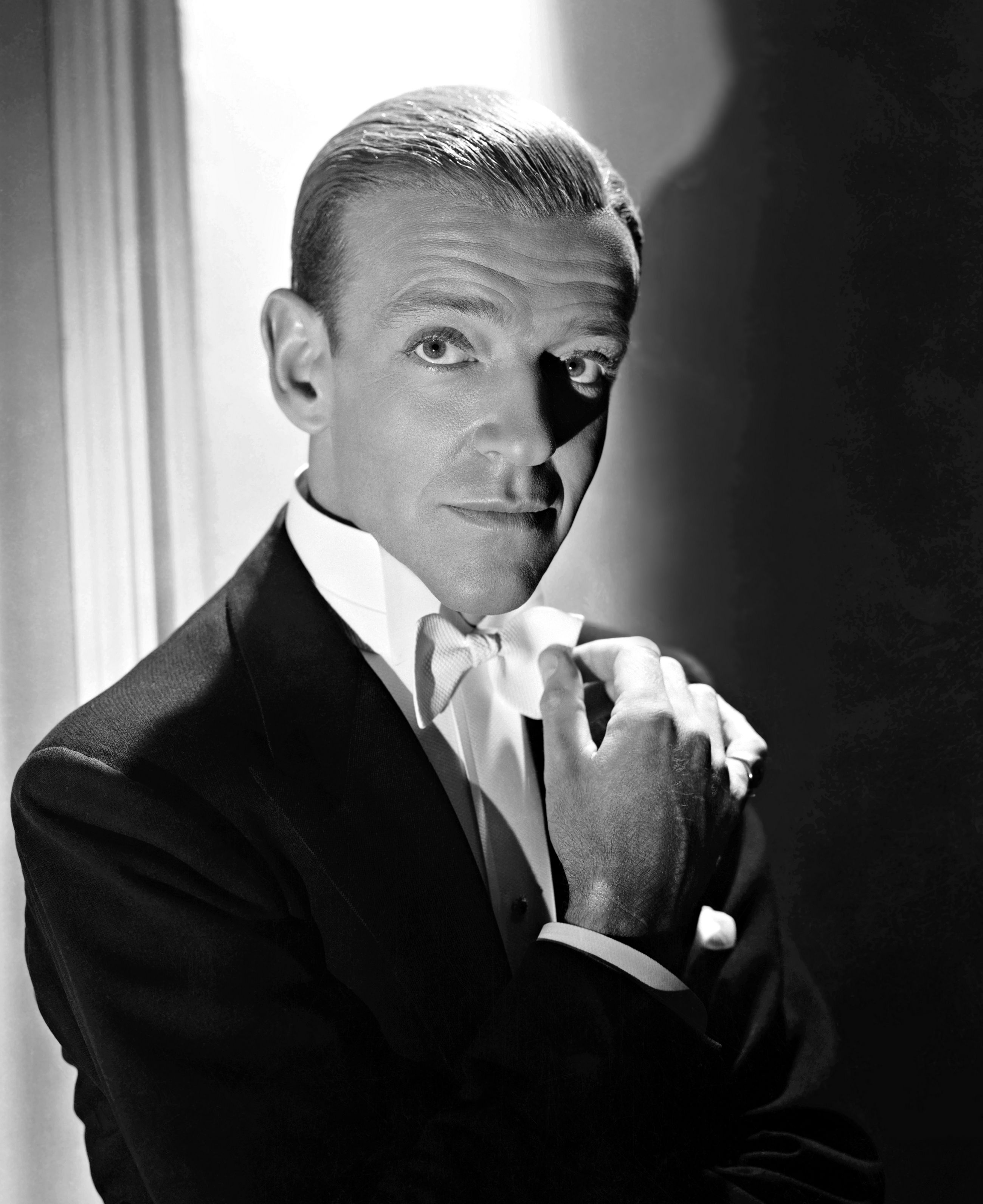
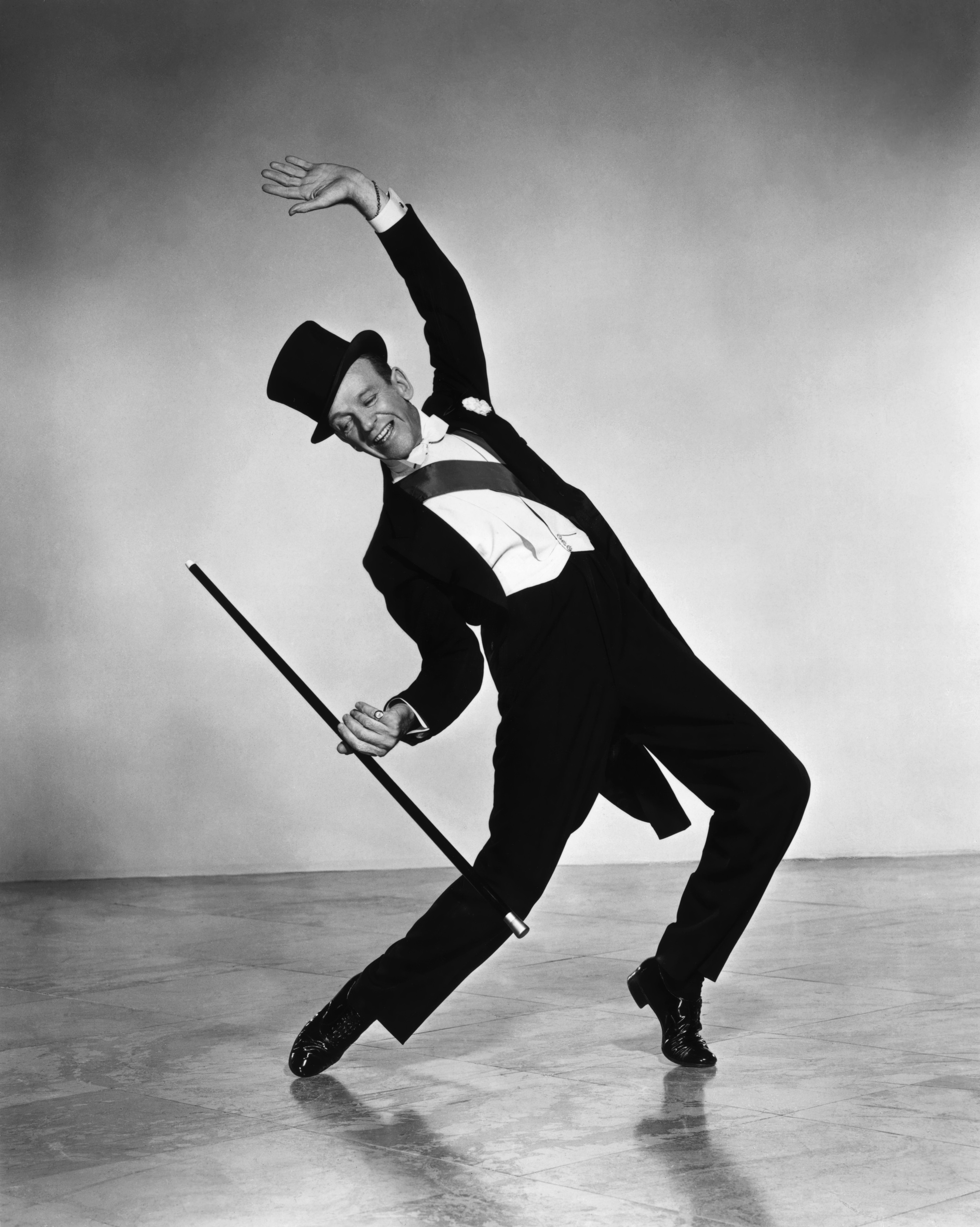
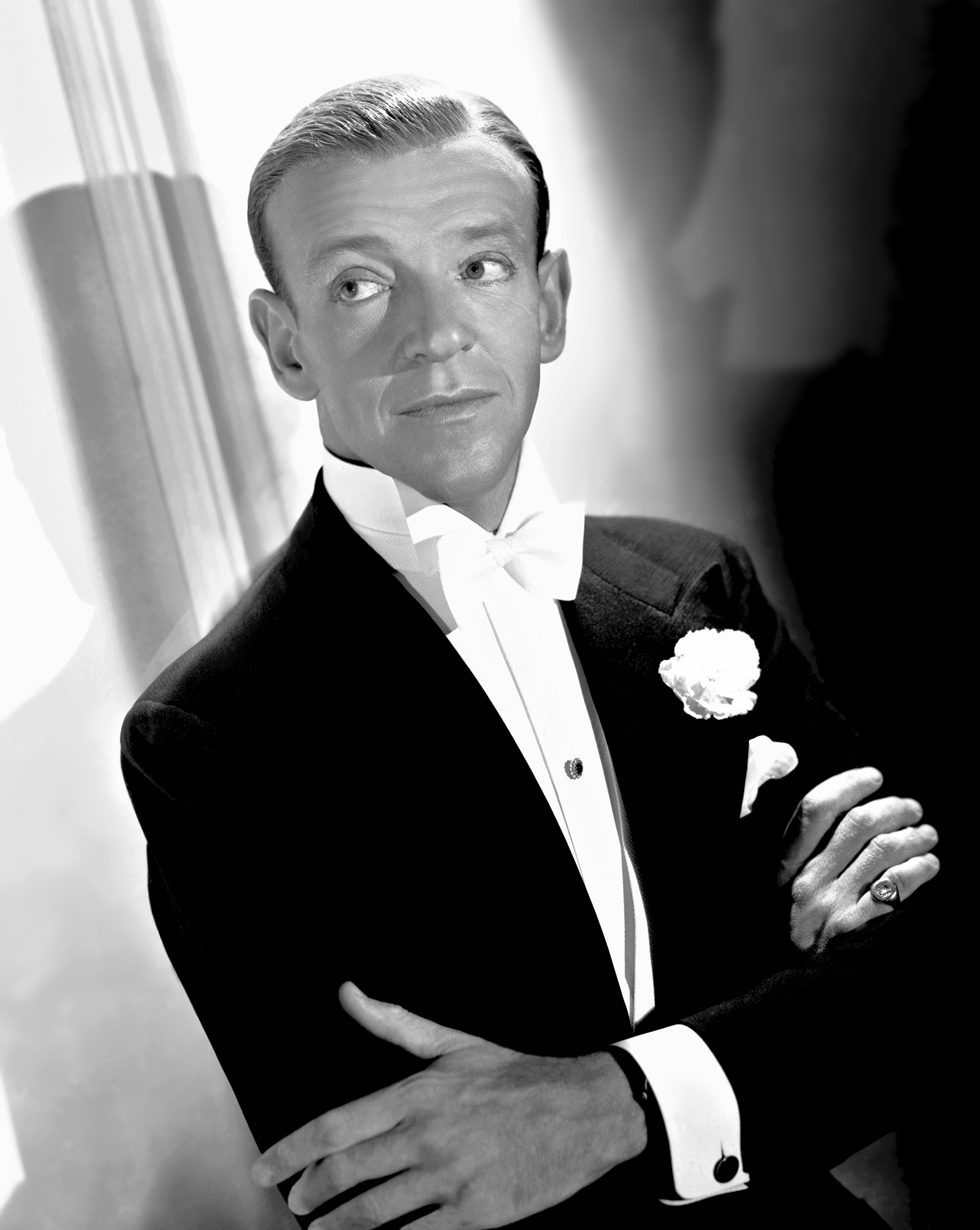
Fred Astaire in pictures: A master of song and dance

All images courtesy of Dr Macro
Fred Astaire in pictures: A master of song and dance

Today sees the 25th anniversary of the passing of the legendary Fred Astaire, who succumbed to pneumonia on this day in 1987 at the grand age of 88.

As my number one Style Icon I need little excuse to feature posts about the great man and this being the quarter-century since he left is reason enough to focus on him again.  The Daily Telegraph has done their own pictorial tribute and I intend to add to that with favourite images and clips of my own.


What can more can I add, though, to what I've said previously and to what others have said down the years?  There aren't enough superlatives in the world to do justice to Fred Astaire's dance skill, fashion and gentlemanliness.  Seeing him on screen is the nearest thing to seeing heaven on earth.  If I'm ever feeling down, or under the weather, I watch a Fred Astaire film and always feel better for it.  No other actor-dancer is such a joy to watch and admire.  He is like an æthereal being, floating from scene to scene, quite literally gliding around the floor and brightening the lives of everyone with whom he comes into contact.


Others may have come and gone, with Cary Grant running him close for "Best Dressed", but I'm in full agreement with those who say there has never been another like Astaire nor will be again.  There are once-in-a-lifetime performers and once-a-generation singers/dancers/actors but Fred Astaire was a true one-off, a perfect distillation of song, dance and action.


Twenty-five years seems almost meaningless for someone who has been immortalised on stage and screen (a happy thought has just occurred to me that, for nearly 4 years, Fred Astaire and I shared the same planet - a fact of time that scarcely seems creditable).  In fact, "immortal" is the very word.  Twenty-five, 250, 2500 - however many years pass I feel sure that the world will not forget the incomparable Fred Astaire and that we shall continue to celebrate him for as long as music and dance exists.

~~~~~~~~~~~~~~~~~~~~~~~~~~~~~~~~~~~~~~~~~~~~~~~~~~~~~~~~~~~~~
***Don't forget that today is also the last day you can enter my 150 Followers Giveaway.  The winner will be announced tomorrow so hurry, hurry, hurry!***

Followers

Popular Posts